Colonoscopy
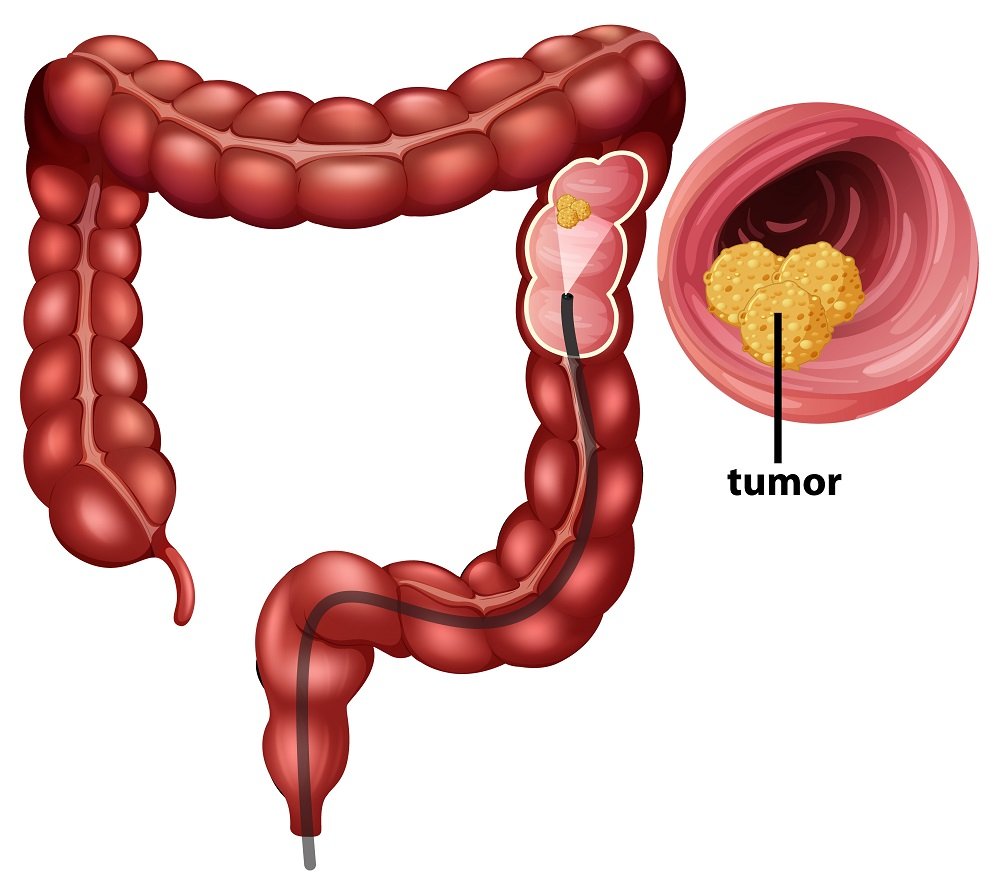
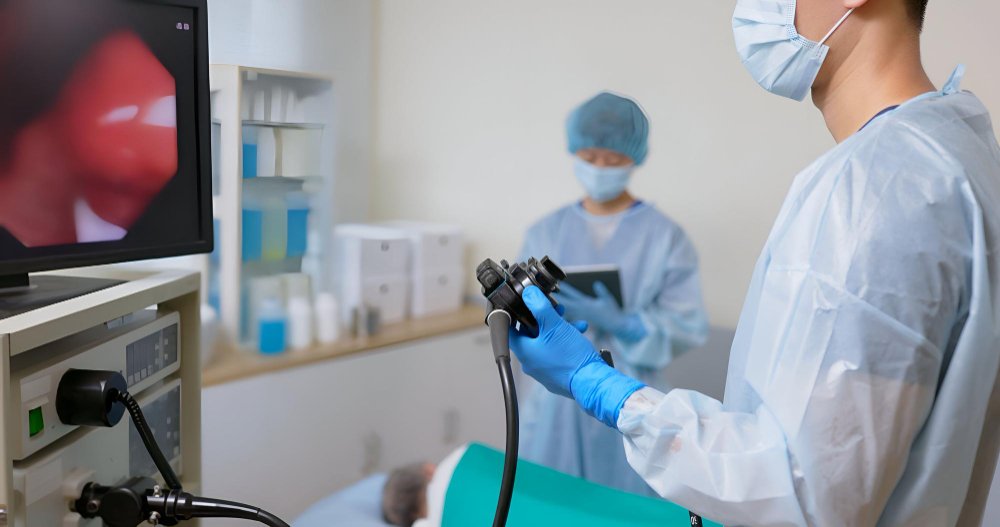
A Colonoscopy is a procedure used to examine the inner lining of the large intestine (colon) and rectum using a thin flexible tube with a camera called a colonoscope.
It helps doctors diagnose, monitor, and sometimes treat diseases affecting the lower digestive tract.
What Is a Colonoscopy?
A colonoscope is a long flexible tube with:
- Camera
- Light source
- Channels for biopsy and treatment
The scope is passed through the rectum to visualize:
- Rectum
- Entire colon (large intestine)
- Sometimes the last part of the small intestine (terminal ileum)
When Should You See a Doctor?
Consult a gastroenterologist if you experience:
Common Symptoms
- Blood in stools
- Black stools
- Chronic constipation
- Persistent diarrhea
- Alternating constipation and diarrhea
- Abdominal pain
- Bloating
- Unexplained weight loss
- Change in bowel habits
- Mucus in stools
- Incomplete bowel evacuation feeling
- Anemia without clear cause
- Recurrent abdominal discomfort
Why Is Colonoscopy Done?
Colonoscopy is performed to:
- Identify the cause of bowel symptoms
- Detect ulcers, inflammation, or bleeding
- Diagnose intestinal diseases
- Screen for colon cancer
- Remove polyps before they become cancerous
- Take biopsies for testing
Emergency Warning Signs
Seek urgent medical care if you have:
- Heavy rectal bleeding
- Severe abdominal pain
- Persistent vomiting with abdominal distension
- Sudden inability to pass stools or gas
- Signs of intestinal obstruction
- Severe dehydration from diarrhea
Why Is Colonoscopy Important?
Colonoscopy can:
- Detect disease early
- Prevent colon cancer by removing polyps
- Identify the source of bleeding
- Diagnose inflammatory bowel diseases
- Help guide treatment decisions
It is considered the gold standard test for examining the colon.
Conditions Diagnosed by Colonoscopy
Inflammatory Conditions
- Ulcerative colitis
- Crohn’s disease
- Infectious colitis
- Microscopic colitis
Structural Problems
- Colon polyps
- Diverticular disease
- Strictures (narrowing)
- Hemorrhoids (partially evaluated)
Bleeding Causes
- Colon ulcers
- Angiodysplasia
- Polyps
- Tumors
Cancer Detection
- Colon cancer
- Rectal cancer
- Precancerous polyps
Other Findings
- Intestinal tuberculosis
- Ischemic colitis
- Radiation colitis
What Are Colon Polyps?
Polyps are abnormal tissue growths inside the colon.
Some polyps may:
- Remain harmless
- Slowly turn into cancer over time
During colonoscopy, many polyps can be removed immediately, helping prevent cancer.
Why Is Biopsy Taken?
A biopsy means taking a tiny tissue sample from abnormal areas.
It helps:
- Confirm inflammation
- Diagnose infections
- Detect cancer
- Differentiate types of colitis
- Evaluate ulcers and growths
Biopsy during colonoscopy is usually painless.
How Is Colonoscopy Done?
Before the Procedure
1. Bowel Preparation
The colon must be completely clean for proper visualization.
Patients are usually advised:
- Clear liquid diet before procedure
- Special bowel-cleansing solution (PEG solution/laxatives)
- Avoid heavy meals
Poor bowel preparation may affect accuracy.
Fasting Instructions
Usually:
- No solid food for several hours before procedure
- Water allowed till instructed time
- Follow hospital instructions carefully
Step-by-Step Procedure
1. Admission & Monitoring
- Patient changes into hospital gown
- BP, pulse, oxygen monitored
2. Sedation
- Mild sedation or short anesthesia is commonly given
- Helps patient remain comfortable
3. Scope Insertion
- Colonoscope is inserted through the rectum
- Advanced slowly through the colon
4. Examination
Doctor examines the colon lining for:
- Ulcers
- Inflammation
- Polyps
- Bleeding
- Tumors
- Infection signs
Procedures That Can Be Done During Colonoscopy
During the same procedure, the doctor may:
- Remove polyps (polypectomy)
- Take biopsies
- Stop bleeding
- Dilate strictures
- Remove foreign bodies
How Long Does Colonoscopy Take?
- Usually 20–45 minutes
- May take longer if treatment is performed
Is Colonoscopy Painful?
With sedation:
- Most patients feel minimal discomfort
- Many do not remember the procedure
Without sedation:
- Mild cramps or pressure sensation may occur
What Happens After Colonoscopy?
After the procedure:
- Patient is observed until fully awake
- Mild bloating or gas may occur temporarily
- Eating is resumed gradually
- Sedation patients should avoid driving for 24 hours
Biopsy reports may take a few days.
Benefits of Colonoscopy
- Early cancer detection
- Prevents colon cancer by removing polyps
- Accurate diagnosis of bowel disease
- Can treat certain conditions immediately
- Minimally invasive compared to surgery
Risks and Complications
Colonoscopy is generally very safe, but rare risks include:
- Bleeding
- Perforation (tear in intestine)
- Infection
- Sedation-related complications
- Abdominal discomfort
Complications are uncommon when performed by experienced specialists.
Who Should Not Delay Colonoscopy?
People with:
- Blood in stool
- Persistent bowel habit changes
- Unexplained anemia
- Family history of colon cancer
- Long-standing inflammatory bowel disease
- Weight loss
- Chronic diarrhea
should undergo proper evaluation without delay.
Colon Cancer Screening
Screening colonoscopy is advised even without symptoms in certain age groups or high-risk individuals.
Risk factors include:
- Family history of colon cancer
- Colon polyps
- Smoking
- Obesity
- Inflammatory bowel disease
- Low-fiber diet
Important Advice
Do not ignore persistent bowel symptoms or bleeding. Early colonoscopy can help diagnose disease at an early stage and may even prevent colon cancer through timely polyp removal.
If symptoms continue despite medications, consult a gastroenterologist for further evaluation.
Book Your Appointment Today with Dr. Dipak B.
Take the first step towards better digestive health by booking your appointment with Dr. Dipak B.
Get trusted medical guidance and modern treatment tailored to your needs.